
Understanding Multi-Timeframe Analysis Basics
Learn how to analyze price action across different timeframes simultaneously. This guide covers why traders use multiple timeframes and practical steps to get started with your first analysis.


Why Multiple Timeframes Matter
Here's the thing about single-timeframe analysis: you're only seeing part of the picture. When you look at just the 5-minute chart, you're missing the bigger context that the hourly chart reveals. That's where multi-timeframe analysis comes in.
Multi-timeframe analysis is how professional traders work. They're not glued to one chart. Instead, they're checking the daily trend, then zooming into the hourly for entry points, then maybe looking at the 15-minute for precise timing. Each timeframe tells you something different about what's happening in the market.
The Three-Level Framework
Most traders use a three-level approach. The highest timeframe — usually daily or 4-hour — shows you the primary trend. That's your "big picture." Then you step down to the middle timeframe, maybe the hourly or 30-minute, where you spot the intermediate direction. Finally, you use the lowest timeframe for entries and exits. This isn't arbitrary. It's because each level serves a specific purpose.
Think of it like this: the daily chart tells you the highway you're on. The hourly chart tells you which exit to take. The 15-minute chart tells you exactly when to accelerate. You wouldn't ignore the highway to focus on the exit, right? The same logic applies to trading.

How to Start Your First Multi-Timeframe Analysis
You don't need to be complicated. Start with these steps, and you'll have a solid foundation to build on.
Pick Your Asset and Timeframes
Choose one currency pair, one stock, or one index. Then decide on your three timeframes. For day traders, that might be 4-hour, 1-hour, and 15-minute. For swing traders, daily, 4-hour, and 1-hour works better. Don't overthink it — consistency matters more than perfection.
Analyze the Highest Timeframe First
Open your daily chart. Ask yourself: What's the primary trend? Is price above or below the 200-day moving average? What major support or resistance levels exist? This is your foundation. You're not looking for entry signals here — you're understanding the environment you're trading in.
Move to the Middle Timeframe
Now look at your 4-hour or hourly chart. You're looking for confirmation of the daily trend, or a pullback within it. Are the moving averages aligned? Is price consolidating? This timeframe helps you narrow your focus and spot the immediate direction.
Fine-Tune on the Lowest Timeframe
Finally, check your 15-minute or 1-hour chart for the actual entry. This is where you look for reversal patterns, momentum divergence, or breakouts. But here's the key: you only take setups that align with both higher timeframes. If the daily trend is up but your 15-minute shows weakness, you're either waiting or passing the trade.

Common Mistakes to Avoid
Most beginners mess this up in predictable ways. The biggest one? Trading against the higher timeframe. If the daily trend is down but you're bullish on the 5-minute, you're fighting the current. You'll get stopped out repeatedly.
Another mistake: jumping between timeframes too much. Pick your three, stick with them, and don't get distracted by the 2-minute chart. Noise increases as you go to smaller timeframes. You're looking for signal, not noise.
The third mistake? Ignoring what the middle timeframe tells you. Some traders skip it entirely and jump straight from daily to 15-minute. That's like jumping from the highway to a side street without checking the local roads. The middle timeframe is your bridge — use it.
Key Principle: Alignment is Everything
The best trades happen when all three timeframes are aligned in the same direction. Daily is up, hourly is up, 15-minute shows a reversal. That's your setup. You're not trying to be clever or find hidden patterns — you're waiting for obvious alignment. That's where the probability shifts in your favour.
Real-World Application
Let's say you're looking at EUR/USD. The daily chart shows a clear uptrend with price above all major moving averages. The hourly chart shows a pullback, but price is holding above the 20-hour moving average. Now you check the 15-minute. You see a hammer candle at a key support level. That's not a guarantee, but that's a setup worth considering.
You wouldn't see this setup if you were only watching the 15-minute chart — you'd see chaos and conflicting signals. You wouldn't see it on the daily alone either — it's too zoomed out. Multi-timeframe analysis brings clarity. It filters out noise and shows you where the real opportunities are.
Tools You'll Actually Use
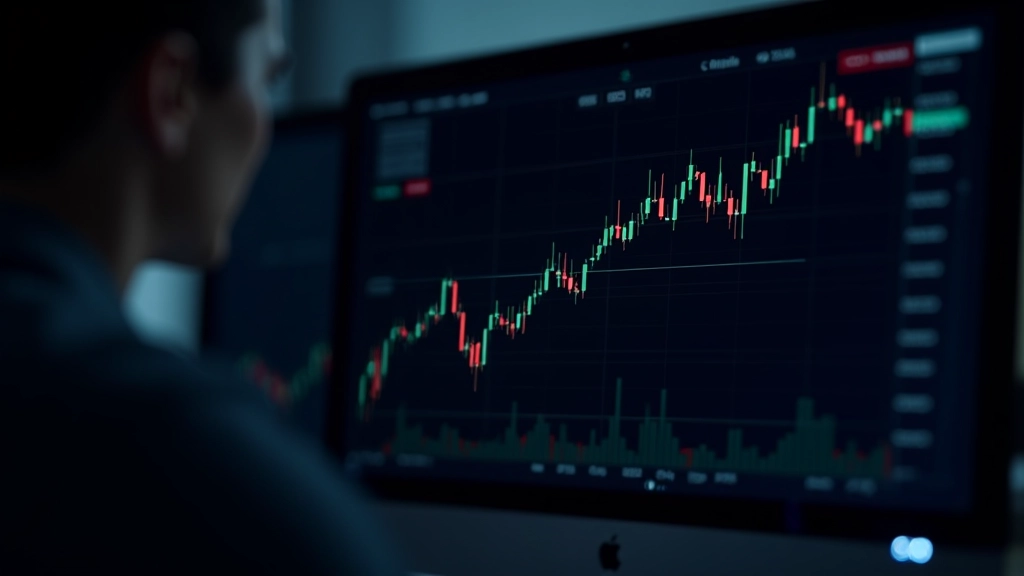
You don't need fancy software. Most brokers provide charting platforms with everything you need. TradingView is popular because you can arrange multiple timeframes on one screen. MetaTrader works too. Even basic platforms let you flip between timeframes quickly.
The key is consistency. Set up your workspace the same way every time. Put the daily on the left, hourly in the middle, 15-minute on the right. Or whatever layout works for you. Then stick with it. Your brain will start recognizing patterns faster when the layout doesn't change.
Keep a simple trading journal. Note which timeframes you checked, what each showed, and whether your setup was valid. After 20-30 trades, you'll see patterns in your own performance. That's when multi-timeframe analysis stops being a technique and becomes your natural way of thinking about markets.
Moving Forward
Multi-timeframe analysis isn't complicated once you understand the principle: use higher timeframes for direction, lower timeframes for timing. Start with three timeframes, check them in order from highest to lowest, and only take setups where they align. That's the foundation.
The next step is learning what patterns and indicators to look for on each timeframe. But before you dive into that, make sure you're comfortable with the basic framework. Spend a few weeks just observing. Don't trade yet — just analyze. Watch how the three timeframes interact. You'll develop intuition faster than you think.
Educational Disclaimer
This guide is provided for educational purposes only. It explains technical analysis concepts and multi-timeframe methodologies used by traders. It is not financial advice, investment advice, or a recommendation to buy or sell any asset. Financial markets carry risk, including the risk of losing your entire investment. Past performance does not guarantee future results. Before making any trading decisions, please conduct your own research, understand the risks involved, and consider consulting with a qualified financial advisor. The examples and techniques described are for illustrative purposes and should not be considered a trading strategy or system. Individual results vary based on skill, experience, market conditions, and risk management practices.